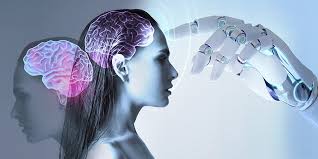
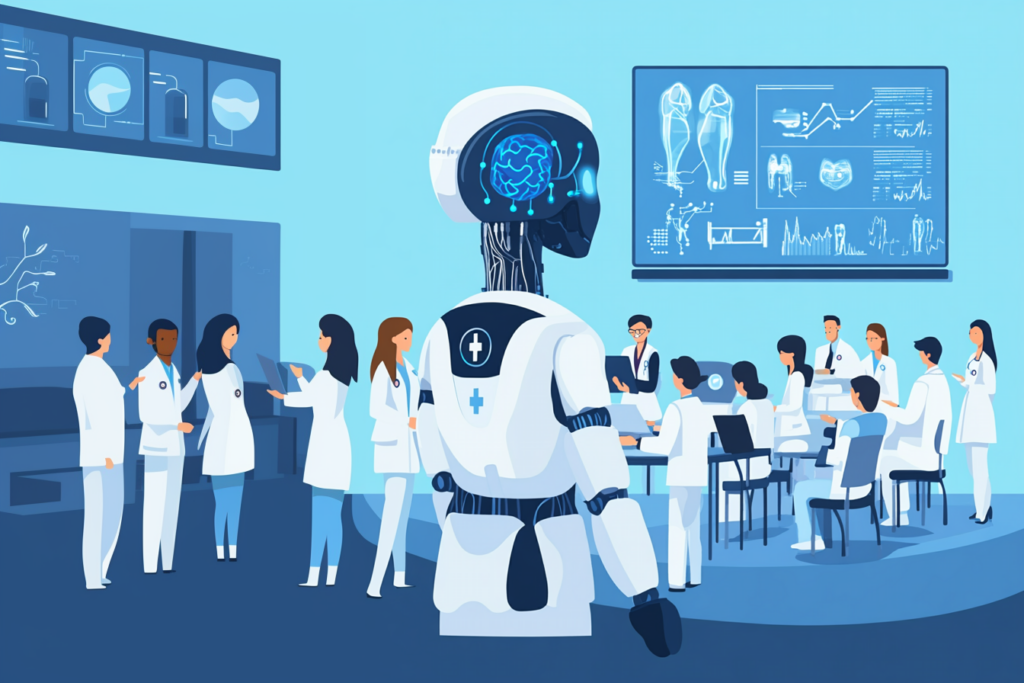
Artificial Intelligence (AI) has emerged as a transformative force in the healthcare industry, reshaping patient care, diagnostics, and research. In this blog post, we explore the profound impact of AI in healthcare, from revolutionizing diagnostic accuracy to enhancing patient outcomes.
Artificial Intelligence (AI)
Artificial Intelligence (AI) has permeated virtually every aspect of our lives, and healthcare is no exception. The integration of AI in healthcare is ushering in a new era of medical practice, where machines complement the capabilities of healthcare professionals, ultimately improving patient outcomes and the efficiency of the healthcare system. In this blog post, we will delve into the diverse applications of AI in healthcare, from diagnostic imaging to personalized treatment plans, and address the ethical considerations surrounding this revolutionary technology.
As AI continues to advance, it holds significant promise for enhancing the accuracy and speed of medical diagnoses, particularly in fields like radiology, pathology, and genomics. By analyzing vast amounts of data, AI algorithms can identify patterns that might elude human practitioners, aiding in earlier detection of diseases such as cancer or neurological disorders. Furthermore, AI is revolutionizing drug discovery by predicting how different compounds might interact with specific diseases, potentially reducing the time and cost of bringing new treatments to market. However, the widespread adoption of AI also brings challenges, such as data privacy concerns, the need for transparent and explainable algorithms, and the potential for bias in AI models that could affect healthcare equity. As we explore these opportunities and hurdles, it's crucial to strike a balance between innovation and ethical responsibility.
Predictive Analytics and Disease Prevention
One of the most prominent applications of AI in healthcare is in diagnostic imaging. AI algorithms have demonstrated remarkable proficiency in interpreting medical images such as X-rays, MRIs, and CT scans. They can identify anomalies and deviations that might be overlooked by the human eye. This is particularly valuable in early disease detection. For instance, AI can aid radiologists in detecting minute irregularities in mammograms or identifying critical findings in chest X-rays, potentially leading to earlier diagnoses of conditions like breast cancer or lung diseases.
Another significant area where AI plays a key role is in predictive analytics for disease prevention. By analyzing vast amounts of data from patient records, genetic information, and environmental factors, AI can predict the likelihood of developing certain conditions, such as heart disease or diabetes. These predictions enable healthcare providers to recommend personalized prevention strategies, such as lifestyle changes or medication, well before the onset of symptoms. This proactive approach to healthcare is shifting the focus from treatment to prevention, reducing long-term healthcare costs and improving overall public health.
AI is also making strides in personalized medicine, where treatments and interventions are tailored to the individual patient. By integrating data from genetic tests, medical history, and current health status, AI can help doctors choose the most effective treatments with the fewest side effects. This level of customization increases the likelihood of positive outcomes and minimizes the trial-and-error approach often seen in traditional medicine. Additionally, AI-powered drug discovery platforms are accelerating the development of new medications by identifying promising compounds and predicting their effectiveness in treating specific diseases.
Moreover, AI is transforming the monitoring of chronic conditions. Wearable devices equipped with AI algorithms continuously track a patient's vital signs, such as heart rate, blood pressure, and blood glucose levels. These devices can detect irregularities in real-time, alerting both the patient and their healthcare provider about potential health risks. This constant monitoring enables doctors to adjust treatment plans promptly, preventing complications and hospitalizations. It also empowers patients to take an active role in managing their health, creating a more collaborative and patient-centered healthcare system.
Finally, AI is enhancing the efficiency of healthcare systems by automating administrative tasks, such as scheduling, billing, and patient triage. This allows healthcare professionals to focus more on patient care rather than administrative burdens. AI-powered chatbots and virtual assistants are also being deployed to answer patient queries, provide information about medications, and offer mental health support. These advancements not only streamline healthcare operations but also improve the patient experience by providing more timely and accurate information. With these innovations, AI is helping to create a more efficient, accessible, and equitable healthcare system.
Immerse yourself in the world of future technology. Explore our comprehensive resources, connect with fellow tech enthusiasts, and drive innovation in the industry. Join a dynamic community of forward-thinkers.